Environmental aspects, such as your access to healthcare, exposure to a peer group that tolerates or motivates substance abuse, your educational opportunities, the existence of drugs in your house, your beliefs and attitudes, and your family's use of drugs are consider the very first usage of drugs for a lot of individuals, and whether that usage escalates into addiction.
A person's personality to engage in a specific behavior is affected by 3 aspects: Capability: the psychological or physical ability an individual has to participate in the behavior. Motivation: both the automated and reflective mental procedures that guide habits; this includes both the blissful feelings you experience right after using the drug, and your more mindful, picked attitudes about substance abuse.
Environment likewise plays an important part in developing a dependency, due to the fact that environment influences behavior. The ecological factors which may add to drug dependency include: Absence of social support Use of drugs amongst peers Socioeconomic status Stress and capability to cope with it Adult and familial participation History of abuse or disregard History of compulsive behavior It isn't simple to change ecological elements such as socioeconomic status, however there are methods to reduce against undesirable environmental aspects and work to eliminate drug dependency or avoid it from occurring in the first location.
The Definitive Guide to What Is The Difference Between Drug Abuse And Drug Addiction?
Another is to support ecological motivators for favorable habits, such as educational attainment and job training. Watchful buddies and family can likewise design favorable habits and engage with at-risk users in sober activities. All of these actions can help counter environmental factors that may add to causing drug dependency. Drug addiction often triggers actual physical modifications in the brain.
Nerve cells interact with each other and create state of minds and other sensations using chemicals called neurotransmitters, and drug addiction can alter the method neurotransmitters work in the brain. Historically, drug dependency and those experiencing it were maligned as ethically weak people who made bad choices. This pure behavioral model, however, fails to account for the biological modifications that dependency activates in the body and brain.
Although the concept of drug addiction being a failure of will and sign of bad character is subsiding in most progressive areas of society, the concept does continue in many circles. The brain is the body's most complex organ. Substance abuse and drug dependency impact the human brain in three central areas: The brain stem manages basic motor functions, such as heart rate, sleeping, and breathing.
The Only Guide to Who Has A Drug Addiction Problem
The cortex controls higher-level executive functions, such as planning, decision-making, and the processing of sensory info. The limbic system works with the assistance of neurotransmitters, and these play an essential role in drug dependency. Nerve cells communicate with each other by sending messages along axons and dendrites through electrical impulses.
The getting dendrite then transforms neurotransmitters back into the right electrical signals, so we understand the message; for instance, that bite of pie was delicious, I'll take another one. These exchanges take place numerous times in the brain, and they manage state of mind, habits, movement, and cognition. Drugs are developed to hinder those messages, triggering the release of too lots of neurotransmitters for the incorrect behaviortaking drugs.
Substance abuse also avoids regular reuptake of these brain chemicals, shaking off the whole procedure http://jaspernkrp590.fotosdefrases.com/what-neurotransmitter-is-involved-in-drug-addiction-for-beginners and your natural balance, changing your state of mind. Quickly, all that matters is to produce that flood of neurotransmitters againand due to the addiction, there's simply one method to do that: drug use. Dopamine is the neurotransmitter that is accountable for motivation and benefit, and for that reason it is an essential neurotransmitter associated to addiction.
All about Why Is Drug Addiction A Brain Disease
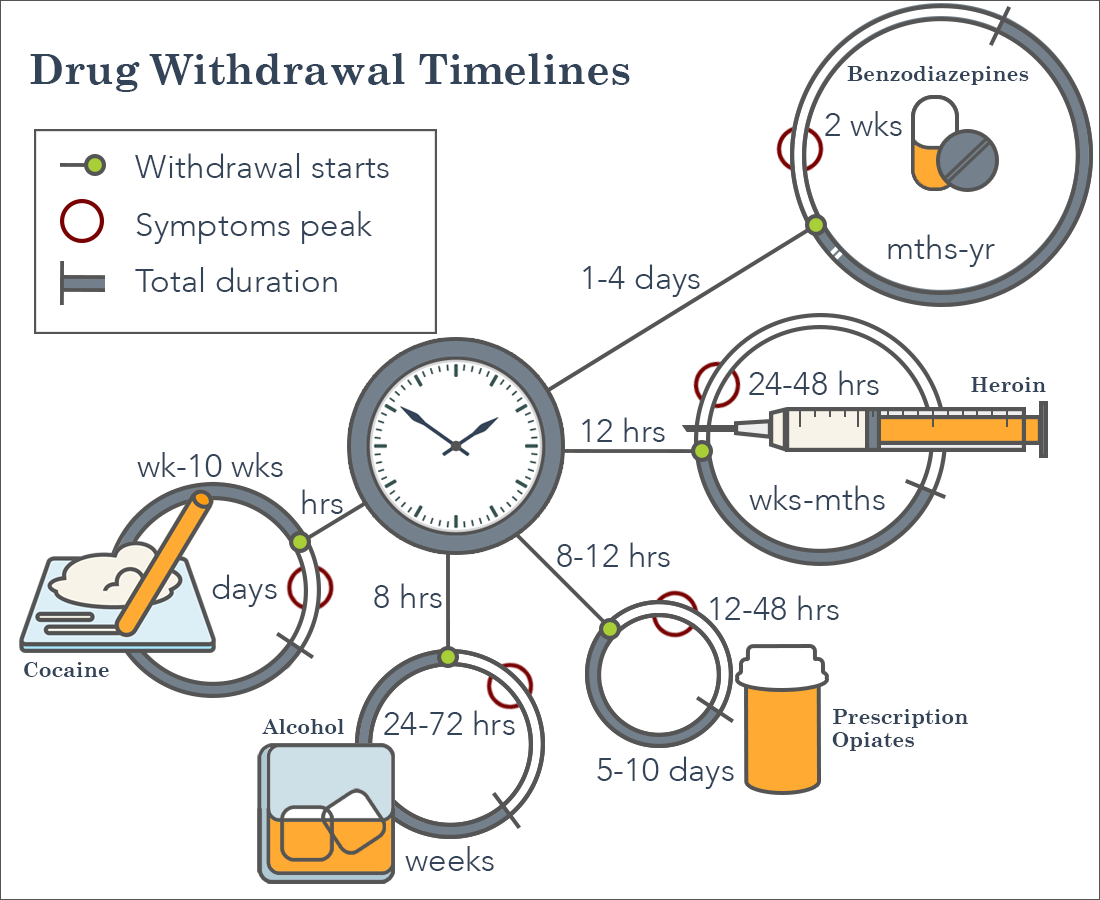
The brain responds to floods of dopamine by lowering the number of receptors for the neurotransmitter, which indicates your brain has minimized your ability to feel enjoyment. Undoubtedly, this leads to much more desperate drug abuse. Serotonin is the neurotransmitter linked to your feelings of well-being, sensory experiences, and your ability to sleep.
Lower levels of serotonin have actually been linked to aggression, stress and anxiety, depression, intoxication, poor impulse control, and self-destructive behavior. Some people are more susceptible to drug addiction than others, simply as some individuals are more susceptible to cancer or diabetes than others. what is the difference between drug abuse and drug addiction. which neurotransmitter is involved in drug addiction. There is no single element that manages whether you will end up being addicted.
Danger elements and protective aspects both can be biological or environmental. Individuals of any sex, age, race, or financial status can experience drug dependency. The capability to become addicted to substances is something all of us share as human beings. Nevertheless, there are threat factors that increase your opportunities of addiction: Drug addiction goes through families, perhaps in part for hereditary reasons, and in part due to environmental influence.
Our How To Stop Drug Addiction On Your Own PDFs
If you struggle with a mental health issue, whether or not it has actually been detected, and whether or not you take medication for it, you are at greater danger for addiction. Mental health issue consist of anxiety, attention-deficit/hyperactivity disorder (ADHD), depression, bipolar personality disorder, and trauma (PTSD), among others.
Social pressure from peers and buddies is a major risk aspect, particularly for young individuals in danger of starting to abuse drugs. If you lack household assistance or your family is not extremely involved in your life, you have a higher risk for drug dependency. In kids this is particularly true and encompasses an absence of guidance.
Drugs such as cocaine, stimulants, or opioids, can trigger dependency quicker than other compounds. Injecting or smoking drugs can likewise increase your danger of addiction.
More About When Did Drug Addiction Become A Disease
Lots of people don't understand why or how other individuals end up being addicted to drugs. They might wrongly believe that those who use drugs do not have moral concepts or self-control which they could stop their drug use merely by picking to. In reality, drug addiction is an intricate disease, and stopping generally takes more than excellent intents or a strong will.
Thankfully, scientists understand more than ever about how drugs impact the brain and have actually discovered treatments that can assist people recuperate from drug addiction and lead productive lives. Addiction is a persistent disease identified by drug looking for and utilize that is compulsive, or tough to control, in spite of damaging consequences. The preliminary choice to take drugs is voluntary for the majority of people, however repeated substance abuse can cause brain modifications that challenge an addicted individual's Mental Health Delray self-discipline and interfere with their ability to resist intense prompts to take drugs.
It's typical for an individual to regression, but regression doesn't suggest that treatment doesn't work. Similar to other persistent health conditions, treatment must be continuous and should be changed based on how the client responds. Treatment strategies require to be reviewed frequently and customized to fit the client's altering needs.
How Does Drug Addiction View website Start - An Overview
A correctly operating reward system motivates an individual to repeat habits required to grow, such as consuming and investing time with liked ones. Surges of dopamine in the reward circuit trigger the reinforcement of pleasurable but unhealthy behaviors like taking drugs, leading individuals to repeat the behavior again and again.